Health and safety is a vital part of many companies’ daily routine; for others, it’s just another box-ticking exercise. Yet, under Health & Safety law, all employers are responsible for managing health and safety risks in their businesses.
The removals and storage industry involves various tasks and activities that can pose specific health and safety risks, and it’s the employer’s job to safeguard the well-being of their staff and anyone else affected by their work. This means ensuring workers and others are protected from any risks arising from work activities. Roger Midgley outlines the proactive steps you can take to ensure safety in your workplace…
Leading Causes of Injury in the Workplace
In the most recent data from the Health and Safety Executive Reporting of Injuries, Disease and Dangerous Occurrences Regulations (RIDDOR), there were 135 work-related fatalities in 2022-23, and 15 occurred within the transportation and storage sectors.
In the previous year, 2021-22, an estimated 565,000 workers sustained non-fatal injuries, with 61,713 injuries needing to be reported to RIDDOR by their employers. Among the leading causes were same-level slips, trips, or falls (30%), handling, lifting, or carrying (18%), and falls from heights (8%). These incidents often result in employees having considerable time off work.
Frequently, we encounter situations where formal training and refreshers may have been overlooked for an extended period, often due to a long-serving employee handling the task. This approach can create a potential risk that might lead to serious repercussions for everyone involved. Health and safety law places duties on organisations and employers, and breaching these obligations could result in personal liability for directors.
Take Proactive Steps Towards a Safer Workplace
When it comes to ensuring safety at your Removals & Storage firm, you can take several practical actions to avoid potential setbacks from workplace incidents. These are:
1. Assess Workplace Risks
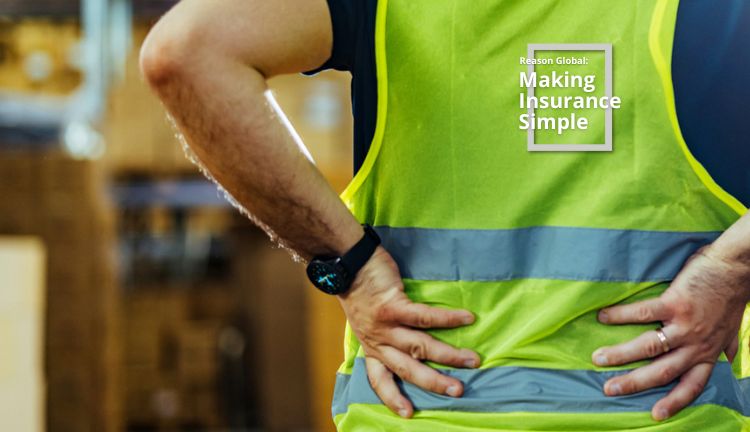
Every employer must evaluate all potential risks in the workplace. This involves carrying out a risk assessment to identify work activities that could cause injury or illness and taking action to eliminate the danger or implementing measures to control it. For example, if your employees handle heavy items during transportation, you should assess the risk of musculoskeletal injuries and establish procedures to minimise those risks. If your company employs more than five employees, the results of your risk assessment should include details of any groups of employees particularly at risk such as older, younger, pregnant or disabled employees.
2. Train & Equip Your Team
Ensuring all employees have the appropriate training to carry out their daily tasks is essential. Keep a record of their training and ensure refresher sessions are provided regularly. This applies to managers and workers alike. If your team uses specialised equipment, like forklifts or harnesses, ensure they are trained to operate them safely. Accreditation programs, such as NEBOSH, can enhance their safety knowledge.
3. Provide the Necessary PPE & Protection Equipment
It’s important to supply and ensure the proper use of personal protective equipment (PPE) relevant to each job role. Again, this needs to be monitored regularly to ensure it is being used correctly. Inspect and replace any worn-out equipment. Remember, equipment maintenance doesn’t only apply to heavy machinery. Items like tail lifts, roller shutters, pallet trucks, and even safety slings/harnesses need routine checks to ensure they’re in optimal condition.
4. Ensure Capability with a Fitness for Work Assessment
Assessing employees’ fitness for their required tasks is essential. This evaluation helps confirm they can safely carry out their duties without endangering their own or others’ well-being. Such assessments also help identify where you may need to make necessary adjustments to the job, tasks or environment to accommodate individual needs.
5. Risk Communications: Inform Your Team
Employees should be well-informed about workplace risks and how they are safeguarded. Instruct and train them on handling potential risks. This ensures everyone is aware of safety protocols.
6. Consult Your Employees
Engaging employees in health and safety discussions is crucial. Seek their insights and opinions directly or through appointed representatives. Their input can lead to better safety practices.
By adopting these practices, you can significantly reduce the likelihood of incidents and create a safer and more productive work environment for everyone in the removal and storage industry. You may also want to consider the following further actions:
HSE.gov.uk provides full details of your obligations and free guidance to help you.
If you use a third-party company for your health and safety needs, please ensure you use it and do not just put their folder on your bookshelf.
Check all your equipment to meet your LOLER, PUWER, PPE regulations.
Consider taking out Directors and Officers Liability cover. Directors can be personally liable for their actions with their assets at risk. These policies can provide defence costs in the event of an HSE action against you. Speak to a member of the Reason Global team to find out more.
CONTACT US
For details of our Directors and Officers Liability Insurance policies please contact our offices today.