
For the last few years, sustainability and climate change have been buzzwords across all industries. However, it can often seem a very abstract subject when you look at what you can do to make a difference in the personal and business choices available to you concerning your impact on the environment.
Corporate Social Responsibility (CSR) has been a significant theme for all industries in recent years, but when you compare an insurance broker and a moving company, there are clearly very different challenges to be met to deliver the best CSR you can, despite some overlaps that are relevant to both.
When looking at the changes you can make, the choices can be confusing and associated costs difficult to justify. Recently I made the decision to install solar panels in my home. Rising electricity costs in the UK and reducing installation costs made this a very different proposition to five years ago. It was also driven by my two teenage children who are very focused on being environmentally friendly in their choices as they become young adults. For all of us, the circumstances regarding our homes, cars and businesses vary greatly and influence those decisions, but what should not be doubted is the very real need to look at change that drives a healthier outlook and future for our businesses, taking into account the various options that are available.
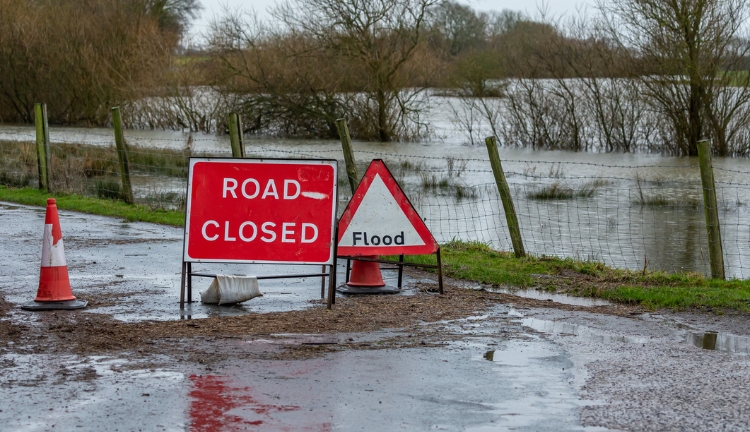
Within the insurance industry sustainability has become more real and tangible over the last few years, where underwriters/insurers are focusing heavily around the risk management measures being employed by their insureds when it comes to the effects of climate change and potential issues such as flooding and other weather related risks that create loss and damage.
Questions being asked by potential insurers revolve around how warehouses are managed, how often they are maintained with respect to roofs and guttering, how the insured acts in a prudent fashion with the measurers taken to minimizing risks from climate change risks such as flooding and heavy rainfall.
This is understandable given the rising numbers of claims resulting from the manner of loss or damage being reported. We are now seeing insurers in the marketplace looking for increased excesses on flood losses based on historical data, that is now more freely available and far more detailed, linking that with relevant risk management measures to minimize the chance of these events causing large losses.
Regis Broudin, Global Head of Marine Claims at Allianz Commercial, stated in their 2025 Safety and Shipping Review that ‘extreme weather is one of the largest causes of loss across all lines of insurance’. Extreme weather and natural hazards have contributed to a number of large losses in the past, with the loss of vessels and damage to cargos – extreme weather was a contributing factor in at least 25% of the total vessel losses reported in 2021 alone.
In an article for Maritime Magazine, Capt. Randall Lund, a Senior Risk Consultant for Allianz Commercial, identified NATCAT as the 5th biggest cause of marine claims, and that he expected the emergence of new ‘physical, operational and financial risks as a result of global warming’. This concurs with a 2023 study by AGCS, which predicted that climate change will increasingly impact marine insurance claims, with more extreme weather events and new exposures linked to the transition to net-zero.
All of this shows there are no easy answers but also that doing nothing is possibly not the correct move. We should always be focusing on our business models to ensure we minimise risk where we can and climate change and sustainability is now core to that thinking. Whilst we will never be able to remove all risk, we should be considering our processes now around what we can minimise through strategic thinking surrounding the challenges climate change brings. Sustainability doesn’t seem so abstract after all.
First published in FIDI Focus Magazine 2023
Statistics updated 16/01/2026
Sources:
Report | Allianz Risk Barometer 2026
Safety and Shipping Review 2025 | Allianz Commercial